金刚石微粉行业发展趋势:技术创新、精密加工应用与市场增长机遇
Author's Note
本文立足金刚石微粉行业最新技术发展、制造应用和市场趋势,深入分析金刚石微粉制造技术、精密加工应用及未来市场机遇。
Abstract
Diamond micropowder is a critical product category in the superhard materials industry. As a high-performance abrasive material, diamond micropowder features exceptional hardness, excellent thermal conductivity, superior chemical stability, and outstanding wear resistance. It is widely used in precision grinding, ultra-precision polishing, semiconductor wafer processing, optical component manufacturing, and advanced industrial applications.
With the rapid development of advanced manufacturing, semiconductor technology, optical materials, and new energy industries, the demand for high-quality diamond micropowder with controlled particle size distribution, high purity, and consistent processing performance continues to increase. The diamond micropowder industry is moving toward higher precision, customized solutions, and advanced manufacturing applications.
I. Diamond Micropowder Industry Overview: Growing Demand from Advanced Manufacturing
Diamond micropowder generally refers to diamond particles with particle sizes below 54 microns. As an essential superhard abrasive material, it plays an important role in precision machining processes, including grinding, polishing, and surface finishing.
Traditional applications of diamond micropowder include cemented carbide processing, abrasive tools, ceramic machining, and industrial component manufacturing. With increasing requirements for machining accuracy and surface quality, industries such as semiconductor wafer manufacturing, sapphire substrate processing, and precision ceramics require diamond micropowder with improved particle uniformity, purity control, and optimized particle morphology.
II. Diamond Micropowder Manufacturing Technology and Process Innovation
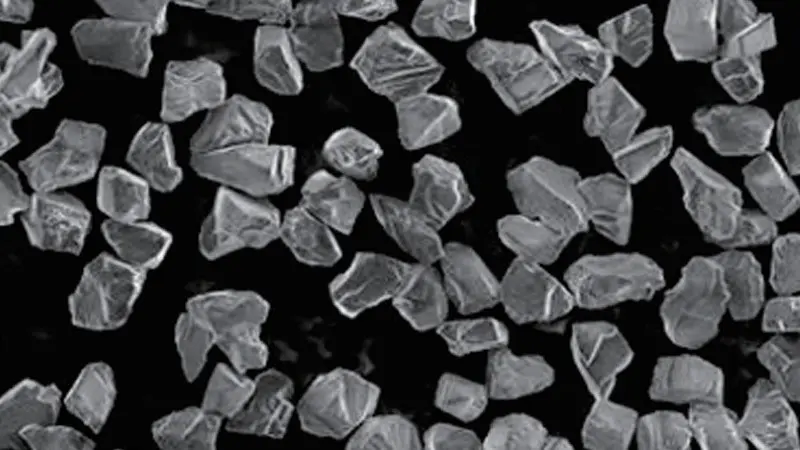
1. Advanced Diamond Micropowder Production Technology
Leading diamond micropowder manufacturers continue to improve production technologies, including raw material synthesis, crushing processes, precision classification, and purification methods.Air-flow pulverization technology improves ultra-fine diamond micropowder production efficiency by optimizing processing parameters, resulting in more uniform particle morphology and improved cutting performance.Precision classification technologies, including multi-stage centrifugal classification and wet classification, effectively control particle size distribution and reduce particle agglomeration, improving the consistency of high-grade diamond micropowder products.Advanced purification processes using acid treatment and high-temperature oxidation reduce metallic impurities and non-diamond carbon content, enhancing diamond micropowder purity and processing reliability.
2. Performance Advantages in Precision Machining Applications
High-purity diamond micropowder with narrow particle size distribution helps reduce surface defects, improve machining consistency, and enhance final product quality.
In demanding applications such as semiconductor wafer polishing, optical lens processing, and precision component manufacturing, stable diamond micropowder performance contributes to higher processing efficiency and improved production yield.
III. Key Applications Driving Diamond Micropowder Market Growth
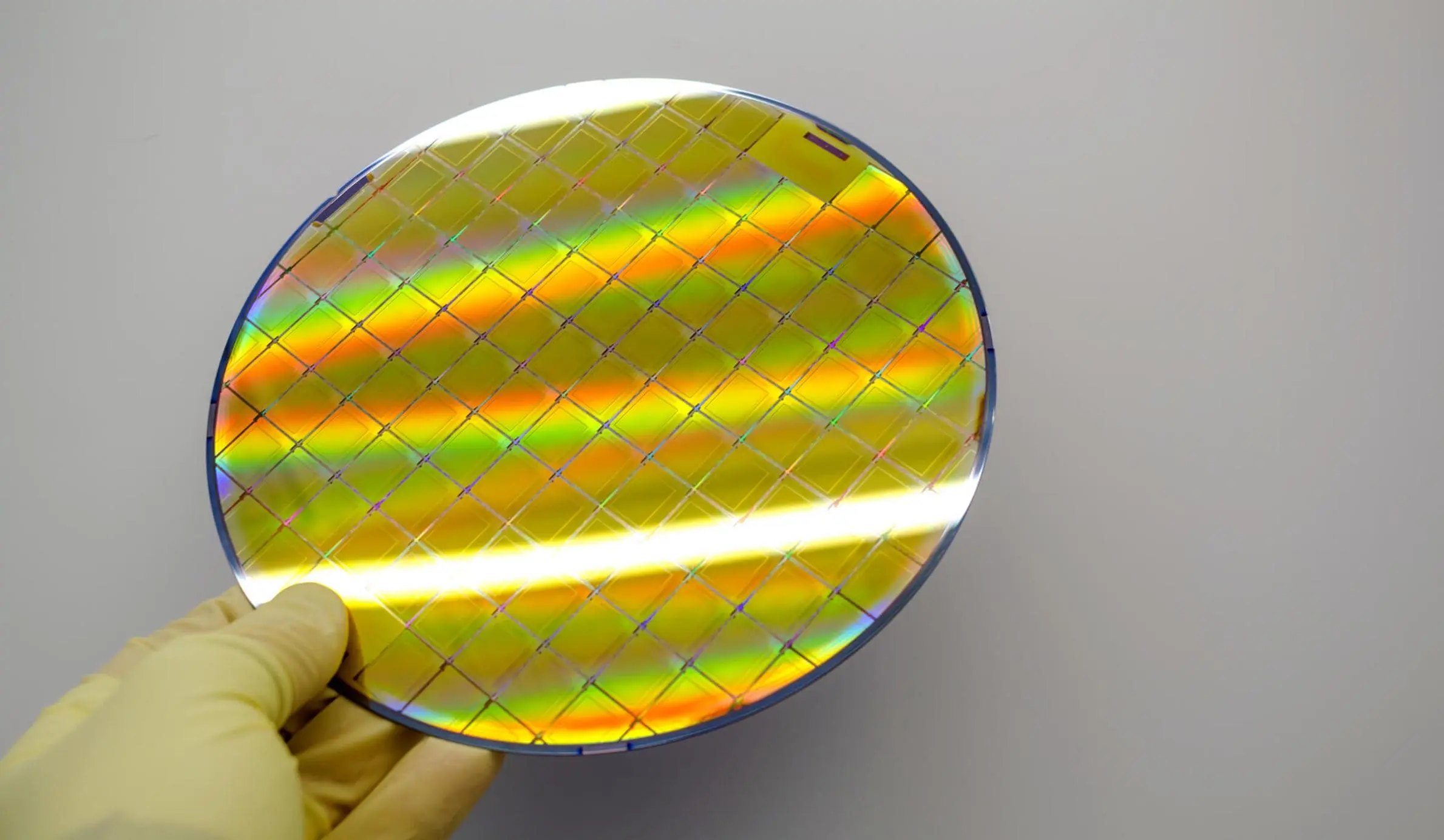
1. Industrial Manufacturing Upgrading
In cemented carbide machining, ceramic processing, and automotive component manufacturing, manufacturers are increasingly adopting diamond micropowder solutions to achieve higher machining efficiency, longer tool life, and lower overall processing costs.
2. Semiconductor and High-Precision Manufacturing Applications
The semiconductor industry, sapphire substrate processing sector, and precision ceramic industries require sub-micron and nano-scale surface processing capabilities.
Due to its ultra-high hardness, controllable particle size, and excellent wear resistance, diamond micropowder has become a preferred abrasive material for precision grinding and polishing applications.
IV. Expanding Applications of Diamond Micropowder
1. Semiconductor and Electronic Materials
Diamond micropowder is widely used for semiconductor wafer polishing, thermal substrate processing, and advanced packaging applications. Its high hardness and excellent thermal conductivity make it suitable for high-precision processing of third-generation semiconductor materials.
2. Optical Components and Precision Polishing
High-quality diamond micropowder plays an important role in manufacturing sapphire windows, optical crystals, specialty glass, and other precision optical components that require excellent surface quality and processing stability.
3. Future Applications of Nanodiamond Materials
Nanodiamond materials are being explored in biological labeling, drug delivery systems, and medical device surface treatment due to their chemical stability, biocompatibility, and unique optical properties. These applications remain in the research stage but represent potential long-term growth opportunities.
V. Conclusion and Future Outlook
The diamond micropowder industry is entering a new stage driven by technological innovation and application expansion.Continuous improvements in diamond micropowder manufacturing processes are enhancing product performance and increasing the competitiveness of high-end micropowder products.Growing demand from semiconductor manufacturing, optical processing, new energy, and ultra-precision machining industries will continue to create new opportunities for diamond micropowder suppliers.
In the future, diamond micropowder will remain a key material supporting advanced manufacturing and precision engineering worldwide.
Ⅳ.Frequently Asked Questions (FAQ)
Q1: What factors affect the performance of diamond micron powder?
A:
The performance of diamond micron powder is mainly affected by particle size distribution, purity, particle morphology, and processing stability. High-purity products with narrow particle size distribution can improve processing consistency and reduce surface defects.
Q2: Why is diamond micron powder widely used in semiconductor and optical applications?
A:
Semiconductor wafers, sapphire substrates, optical crystals, and other advanced materials require high precision and excellent surface quality. Diamond micron powder provides high hardness, controllable particle size, and stable processing performance, making it suitable for these applications.
Q3: How does the manufacturing process improve diamond micron powder quality?
A:
Manufacturers improve product performance through optimized synthesis, crushing, precision classification, and purification processes. Technologies such as airflow crushing, multi-stage classification, and chemical purification help improve particle uniformity and material purity.
Q4: What are the future development trends of diamond micron powder?
A:
The industry is moving toward higher purity, finer particle size control, and improved processing performance. Growing demand from semiconductor, optical, and new energy industries will continue to drive the development of high-performance diamond micron powder products.